
 By admin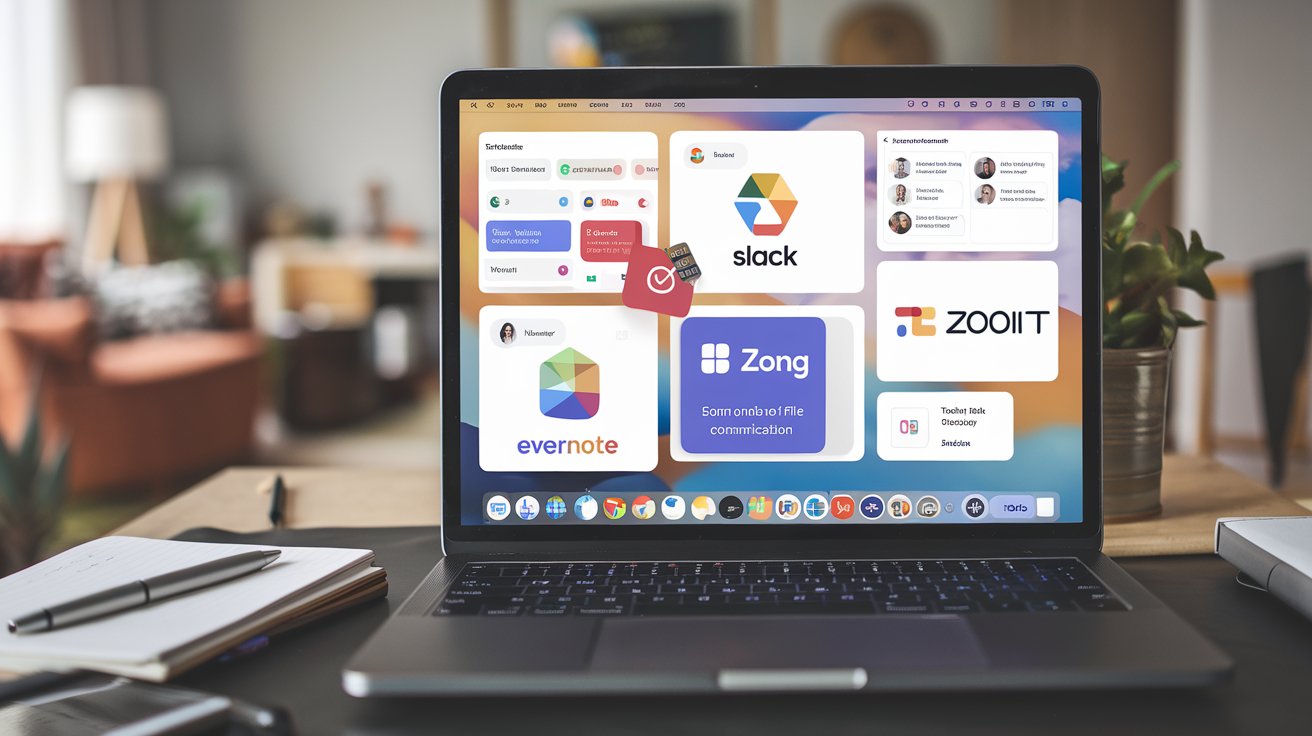
Best Productivity Tech Tools for Remote Work in 2023
Remote work has become a staple of the modern workforce, and with it, the need for effective productivity tools has grown exponentially. Best productivity tech tools for remote work Whether you’re a freelancer, Best productivity tech tools for remote work part of a distributed team, or managing a remote workforce, the right tech tools can make all the difference in staying organized, efficient, and connected. In this guide, we’ll explore the best productivity tech tools for remote work in 2023, Best productivity tech tools for remote work covering communication, project management, time tracking, and more.
1. Communication Tools
Effective communication is the backbone of remote work. These tools help teams stay connected and collaborate seamlessly.
a. Slack
- Features: Real-time messaging, channels, file sharing, and integrations with other tools.
- Why It’s Great: Slack keeps conversations organized and searchable, making it easy to stay on top of team discussions.
- Best For: Teams of all sizes looking for a centralized communication platform.
b. Microsoft Teams
- Features: Chat, video meetings, file sharing, and integration with Microsoft 365.
- Why It’s Great: Ideal for organizations already using Microsoft 365, offering seamless integration with Office apps.
- Best For: Enterprises and teams deeply embedded in the Microsoft ecosystem.
c. Zoom
- Features: Video conferencing, screen sharing, breakout rooms, and webinar hosting.
- Why It’s Great: Reliable and user-friendly, Zoom is a go-to for virtual meetings and webinars.
- Best For: Teams that rely heavily on video calls and virtual meetings.
2. Project Management Tools
Keeping projects on track is crucial for remote teams. These tools help you plan, organize, and manage tasks effectively.
a. Trello
- Features: Kanban boards, task cards, checklists, and due dates.
- Why It’s Great: Visual and intuitive, Trello is perfect for managing tasks and workflows.
- Best For: Small to medium-sized teams and individuals who prefer a visual approach to task management.
b. Asana
- Features: Task assignments, timelines, project tracking, and integrations with other tools.
- Why It’s Great: Asana offers robust features for managing complex projects and workflows.
- Best For: Teams that need advanced project management capabilities.
c. Monday.com
- Features: Customizable workflows, timelines, automations, and integrations.
- Why It’s Great: Highly flexible and customizable, Monday.com adapts to various project management styles.
- Best For: Teams looking for a highly customizable project management solution.
3. Time Tracking and Productivity Tools
Tracking time and staying productive are essential for remote workers. These tools help you manage your time and focus.
a. Toggl
- Features: Time tracking, reporting, and project tracking.
- Why It’s Great: Simple and easy to use, Toggl helps you track time spent on tasks and projects.
- Best For: Freelancers and teams that need to track billable hours.
b. RescueTime
- Features: Automatic time tracking, productivity reports, and focus sessions.
- Why It’s Great: RescueTime provides insights into how you spend your time and helps you stay focused.
- Best For: Individuals looking to improve their productivity and time management.
c. Clockify
- Features: Time tracking, timesheets, and reporting.
- Why It’s Great: Free for unlimited users, Clockify is a cost-effective solution for time tracking.
- Best For: Teams and freelancers on a budget.
4. File Sharing and Collaboration Tools
Sharing and collaborating on files is a key aspect of remote work. These tools make it easy to store, share, and collaborate on documents.
a. Google Workspace (formerly G Suite)
- Features: Google Docs, Sheets, Slides, Drive, and Gmail.
- Why It’s Great: Real-time collaboration and cloud storage make Google Workspace a powerful tool for remote teams.
- Best For: Teams that need seamless collaboration on documents and files.
b. Dropbox
- Features: File storage, sharing, and collaboration.
- Why It’s Great: Dropbox offers reliable cloud storage and easy file sharing.
- Best For: Teams that need a simple and effective file-sharing solution.
c. Microsoft OneDrive
- Features: Cloud storage, file sharing, and integration with Microsoft 365.
- Why It’s Great: Seamless integration with Microsoft Office apps makes OneDrive a strong choice for Microsoft users.
- Best For: Teams already using Microsoft 365.
5. Note-Taking and Organization Tools
Keeping track of ideas, meeting notes, and to-do lists is essential for remote workers. These tools help you stay organized.
a. Evernote
- Features: Note-taking, web clipping, and organization.
- Why It’s Great: Evernote is a versatile tool for capturing and organizing notes, ideas, and research.
- Best For: Individuals and teams that need a robust note-taking solution.
b. Notion
- Features: Notes, databases, task management, and collaboration.
- Why It’s Great: Notion combines note-taking, project management, and collaboration in one platform.
- Best For: Teams and individuals looking for an all-in-one workspace.
c. Microsoft OneNote
- Features: Note-taking, organization, and integration with Microsoft 365.
- Why It’s Great: OneNote offers a flexible and intuitive platform for taking and organizing notes.
- Best For: Teams already using Microsoft 365.
6. Virtual Whiteboard and Brainstorming Tools
Brainstorming and visual collaboration are important for remote teams. These tools provide virtual whiteboards for creative collaboration.
a. Miro
- Features: Virtual whiteboard, templates, and collaboration.
- Why It’s Great: Miro offers a versatile platform for brainstorming, planning, and collaboration.
- Best For: Teams that need a visual collaboration tool.
b. MURAL
- Features: Virtual whiteboard, templates, and collaboration.
- Why It’s Great: MURAL is designed for creative collaboration and brainstorming.
- Best For: Design and creative teams.
c. Jamboard (by Google)
- Features: Virtual whiteboard and collaboration.
- Why It’s Great: Simple and integrated with Google Workspace, Jamboard is great for quick brainstorming sessions.
- Best For: Teams using Google Workspace.
7. Password Management Tools
Managing passwords securely is crucial for remote workers. These tools help you store and manage passwords efficiently.
a. LastPass
- Features: Password storage, autofill, and secure sharing.
- Why It’s Great: LastPass offers robust security features and ease of use.
- Best For: Individuals and teams looking for a reliable password manager.
b. 1Password
- Features: Password storage, autofill, and secure sharing.
- Why It’s Great: 1Password provides strong security and a user-friendly interface.
- Best For: Teams and individuals prioritizing security.
c. Dashlane
- Features: Password storage, autofill, and secure sharing.
- Why It’s Great: Dashlane offers additional features like VPN and dark web monitoring.
- Best For: Users looking for extra security features.

8. Focus and Wellness Tools
Maintaining focus and well-being is important for remote workers. These tools help you stay productive and healthy.
a. Focus@Will
- Features: Music and soundscapes designed to improve focus.
- Why It’s Great: Focus@Will uses scientifically designed music to help you concentrate.
- Best For: Individuals who need help staying focused.
b. Headspace
- Features: Guided meditations and mindfulness exercises.
- Why It’s Great: Headspace helps reduce stress and improve mental well-being.
- Best For: Remote workers looking to improve their mental health.
c. Serene
- Features: Focus sessions, goal setting, and website blocking.
- Why It’s Great: Serene helps you stay focused by blocking distractions and setting daily goals.
- Best For: Individuals looking to improve their productivity and focus.
Emerging Trends in Remote Work Productivity
1. AI-Powered Productivity Tools
Artificial intelligence (AI) is revolutionizing productivity tools by automating repetitive tasks, providing insights, and enhancing decision-making.
- Examples:
- AI Writing Assistants: Tools like Grammarly and Jasper help improve writing quality and efficiency.
- AI Scheduling Assistants: Tools like Clockwise and x.ai automate meeting scheduling and calendar management.
- AI Task Prioritization: Tools like Motion and Reclaim.ai use AI to prioritize tasks and optimize your schedule.
- Impact: Saves time, reduces cognitive load, and improves overall productivity.
2. Virtual Reality (VR) and Augmented Reality (AR) for Collaboration
VR and AR are transforming remote collaboration by creating immersive virtual workspaces.
- Examples:
- Spatial: A VR platform for virtual meetings and collaboration.
- Microsoft Mesh: An AR/VR platform for immersive meetings and teamwork.
- Engage: A VR platform for virtual training and presentations.
- Impact: Enhances engagement and collaboration in remote teams, making virtual interactions feel more natural.
3. Focus on Employee Well-Being
Remote work can blur the lines between work and personal life, leading to burnout. Tools that promote well-being are becoming essential.
- Examples:
- Calm: Offers guided meditations and sleep stories to reduce stress.
- Fabulous: A habit-tracking app that promotes healthy routines.
- Wellable: A wellness platform that offers challenges, resources, and tracking for employee well-being.
- Impact: Improves mental health, reduces burnout, and boosts productivity.
4. Integration and Automation Platforms
Integration platforms connect different tools and automate workflows, reducing manual effort and improving efficiency.
- Examples:
- Zapier: Automates workflows by connecting apps and services.
- Make (formerly Integromat): A visual automation platform for creating complex workflows.
- n8n: An open-source workflow automation tool.
- Impact: Streamlines processes, reduces errors, and saves time.
Niche Productivity Tools for Remote Work
1. Document Collaboration and Version Control
For teams working on documents, version control and collaboration are critical.
- Examples:
- GitBook: Combines documentation and version control for technical teams.
- Quip: A collaborative document editor with real-time editing and commenting.
- Dropbox Paper: A collaborative workspace for documents and project planning.
- Best For: Teams that need advanced document collaboration and version control.
2. Advanced Task and Workflow Automation
For teams with complex workflows, advanced automation tools can be a game-changer.
- Examples:
- Airtable: A flexible database and project management tool with automation features.
- ClickUp: Combines task management, docs, and goals with automation capabilities.
- Notion Automations: Automate repetitive tasks within Notion workspaces.
- Best For: Teams with complex workflows and a need for customization.
3. Virtual Office Spaces
Virtual office spaces recreate the experience of working in a physical office, fostering collaboration and spontaneity.
- Examples:
- Gather: A virtual office platform with video chat and interactive spaces.
- Sococo: A virtual office with customizable rooms and team presence indicators.
- Remotion: A lightweight virtual office for quick check-ins and collaboration.
- Best For: Remote teams looking to recreate the office experience.
4. Advanced Time Tracking and Analytics
For teams that need detailed insights into time usage, advanced time tracking tools are essential.
- Examples:
- Timely: Automatic time tracking with AI-powered insights.
- Harvest: Time tracking, invoicing, and reporting for teams.
- Time Doctor: Tracks time, monitors activity, and provides productivity reports.
- Best For: Teams that need detailed time tracking and productivity analytics.
5. Knowledge Management and Documentation
Efficient knowledge management ensures that information is easily accessible and up-to-date.
- Examples:
- Confluence: A knowledge management tool for creating, organizing, and sharing documentation.
- Slab: A knowledge base and documentation tool for teams.
- Guru: A knowledge management platform that integrates with your workflow.
- Best For: Teams that need a centralized knowledge base and documentation system.
Advanced Tools for Specific Use Cases
1. Design and Creative Teams
For design and creative teams, specialized tools are essential for collaboration and creativity.
- Examples:
- Figma: A collaborative design tool for UI/UX design.
- Adobe Creative Cloud: A suite of creative tools for design, video editing, and more.
- InVision: A prototyping and collaboration tool for designers.
- Best For: Designers and creative professionals.
2. Development and Engineering Teams
Development teams need tools that support coding, collaboration, and version control.
- Examples:
- GitHub: A platform for version control and collaboration on code.
- GitLab: A DevOps platform with integrated CI/CD pipelines.
- Jira: A project management tool tailored for software development teams.
- Best For: Developers and engineering teams.
3. Sales and Marketing Teams
Sales and marketing teams need tools that support customer relationship management (CRM) and campaign management.
- Examples:
- HubSpot: A CRM platform with marketing, sales, and service tools.
- Salesforce: A comprehensive CRM platform for sales and marketing.
- ActiveCampaign: A marketing automation and CRM platform.
- Best For: Sales and marketing professionals.
Tips for Maximizing Productivity in Remote Work
1. Set Clear Goals and Priorities
- Use tools like OKRs (Objectives and Key Results) or SMART goals to set clear objectives.
- Prioritize tasks using frameworks like Eisenhower Matrix or MoSCoW Method.
2. Create a Dedicated Workspace
- Set up a comfortable and distraction-free workspace to improve focus.
- Use ergonomic furniture and proper lighting to enhance comfort.
3. Establish a Routine
- Stick to a consistent schedule to create a sense of structure.
- Use time-blocking techniques to allocate specific times for tasks.
4. Take Regular Breaks
- Use techniques like the Pomodoro Technique to take regular breaks and avoid burnout.
- Incorporate physical activity and mindfulness practices into your routine.
5. Leverage Automation
- Automate repetitive tasks using tools like Zapier or Make to save time and reduce errors.
Conclusion
Remote work is here to stay, and the right productivity tools can make all the difference in staying organized, efficient, and connected. By leveraging advanced and niche tools, embracing emerging trends, and adopting best practices, you can create a seamless and productive remote work environment. Whether you’re an individual freelancer or part of a large distributed team, these tools and strategies will help you stay on top of your game and make the most of your remote work experience. Happy working!